A question in my first weeks
Soon after I joined, management asked me something simple: what would be the best approach to get registered with ADNOC?
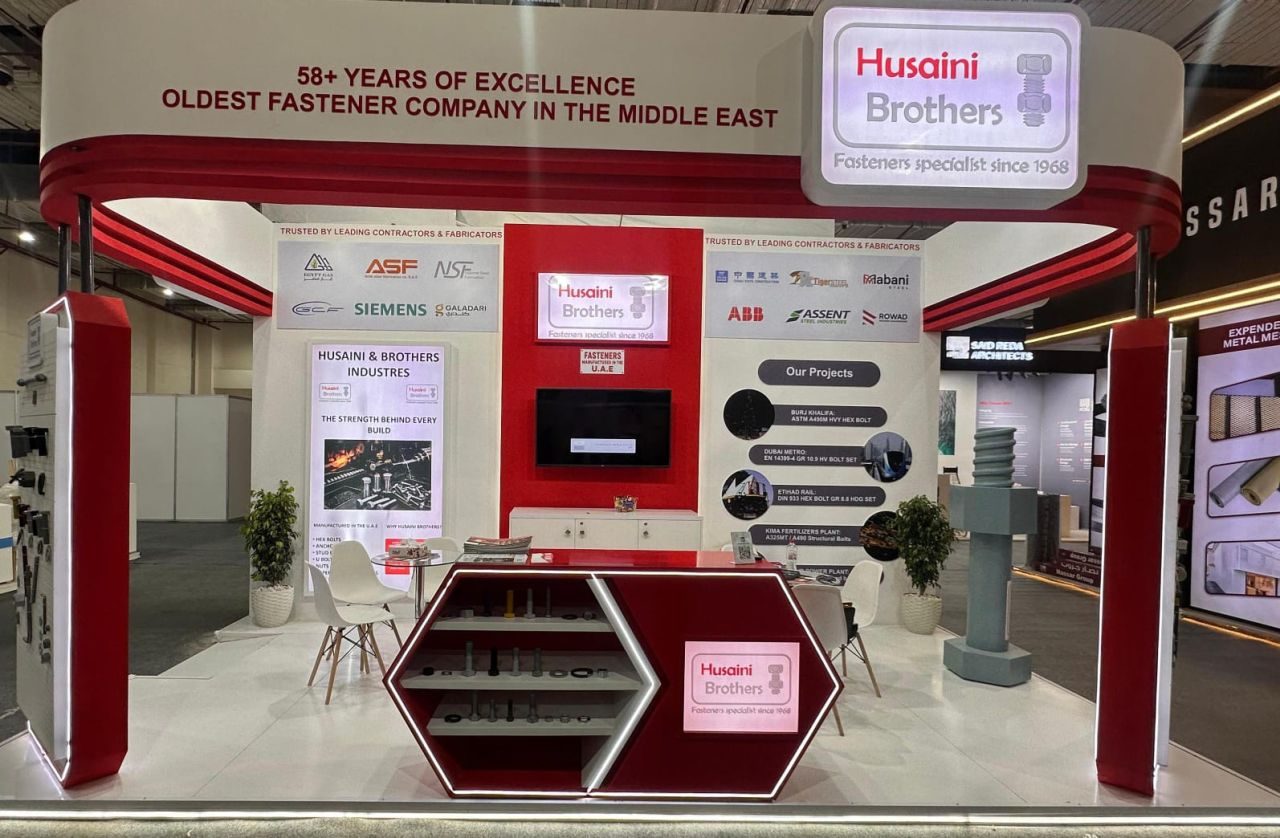
The company, a Dubai-based trading business, had been trying for about ten years. Approved vendor status would open the door to ADNOC projects, so it mattered. They asked me to look into it and come back with a plan, and I took the project on.
My first estimate was around three months. It turned out to be more complicated than that, and it finished sooner.
Select a stage to see what happened
I gathered answers from people working in ADNOC vendor verification and from consultants who know the Abu Dhabi process, and put every requirement into one file.
Two problems that had nothing to do with paperwork
Before a single form was filled in, two things stood in the way.
Each blocker needed a different setup, not faster forms
Neither problem could be solved by applying again. Both needed us to change how the company was set up and documented.
The best answers came from inside the process
I didn’t rely on one source. Requirements on a website tell you what is needed. The people inside a process tell you how it actually works.
I asked our HR manager for access to a recruitment platform and used it to find people working in ADNOC’s vendor verification area. I emailed them, explained our situation and asked how we should proceed.
While I waited for replies, I contacted consultants who specialise in ADNOC registration and know the Abu Dhabi setup. I collected advice from everyone who answered.
Two sources, one file, one recommendation
After about ten days, I took the file to our CEO. My recommendation was to keep the direct line to our ADNOC contacts open and to hire a consultant who knows the Abu Dhabi process. The CEO agreed.
The most useful answers came from people inside the process, not from the website.Lesson one
One list, five workstreams, one record
First, we set up a virtual office in Abu Dhabi. Then I worked with each department to build a track record under the manufacturing unit.
- Sales: new orders taken under the manufacturing unit from then on.
- Accounts: VAT registration and licensing prepared, so six to seven orders showed in the ledger under the unit.
- Quality control: product knowledge and technical documents, including lab testing.
- Logistics: a report covering in-transit shipments and deliveries to Saudi Arabia, Egypt and Jordan.
- Supporting documents: the HSE report and everything else the submission needed.
Everything ran through one master list
- SalesNew orders under the unit
- AccountsVAT registration and ledger
- Quality controlProducts and lab testing
- LogisticsShipments report
- Supporting documentsHSE report and the rest
A master list does something meetings can’t. It shows everyone, at any moment, what is still open.
Approved in 45 days
I sent the full package to our consultant and shared it with our ADNOC contacts at the same time. Communication was slow, but it kept moving.
Our contacts confirmed the documents would work, and the consultant submitted everything on the portal. The last hurdle was the inspection of the manufacturing unit, which was not yet operational. I explained this openly to our ADNOC contacts. They agreed that we could submit QC documentation for the materials we had already supplied instead, and the inspection was not required.
Finished in half the time first estimated
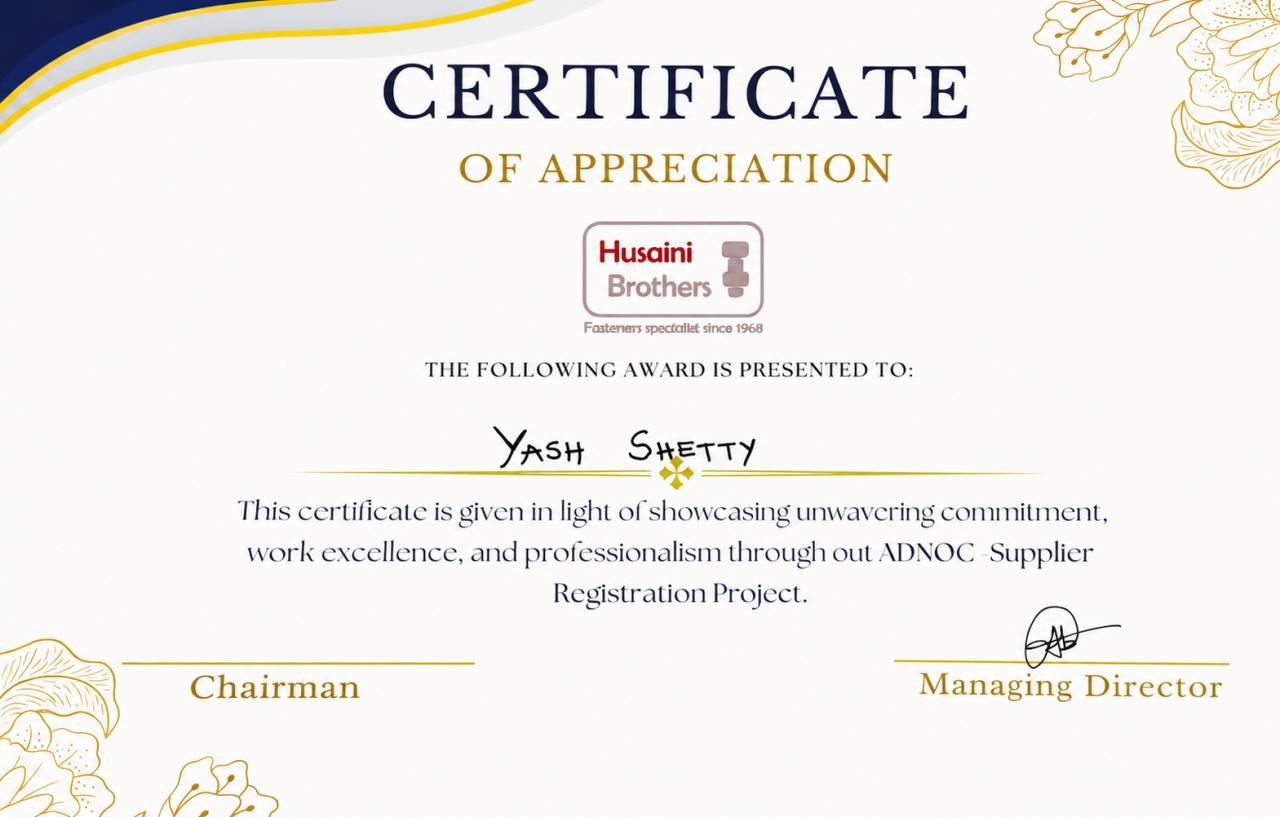
Within 45 days, the company received ADNOC approved vendor status under the manufacturing unit, something it had worked towards for a decade. Our Managing Director later presented me with a Certificate of Appreciation for the project.
What I would take forward
01Ask the people who do the work.
The most useful answers came from people inside the process, not from the website. One email to the right person saved weeks of guessing.
02Collect information from every side.
Insiders explained how things really work. Consultants explained how to get through the Abu Dhabi setup. Together they gave the full picture.
03Keep everything in one place.
A single consolidated file, then one master list, kept five workstreams moving without endless meetings.
04Bring every department in early.
Sales, accounts, QC and logistics each owned part of the record. Starting them together is what made 45 days possible.
05Be open when something isn’t ready.
Explaining that the unit wasn’t operational got us a QC review instead of a delay.
Looking back, the turning point wasn’t a form or a fee. It was deciding to own the whole picture: asking the right people, keeping every department on one list, and being honest when something wasn’t ready.